
Introduction
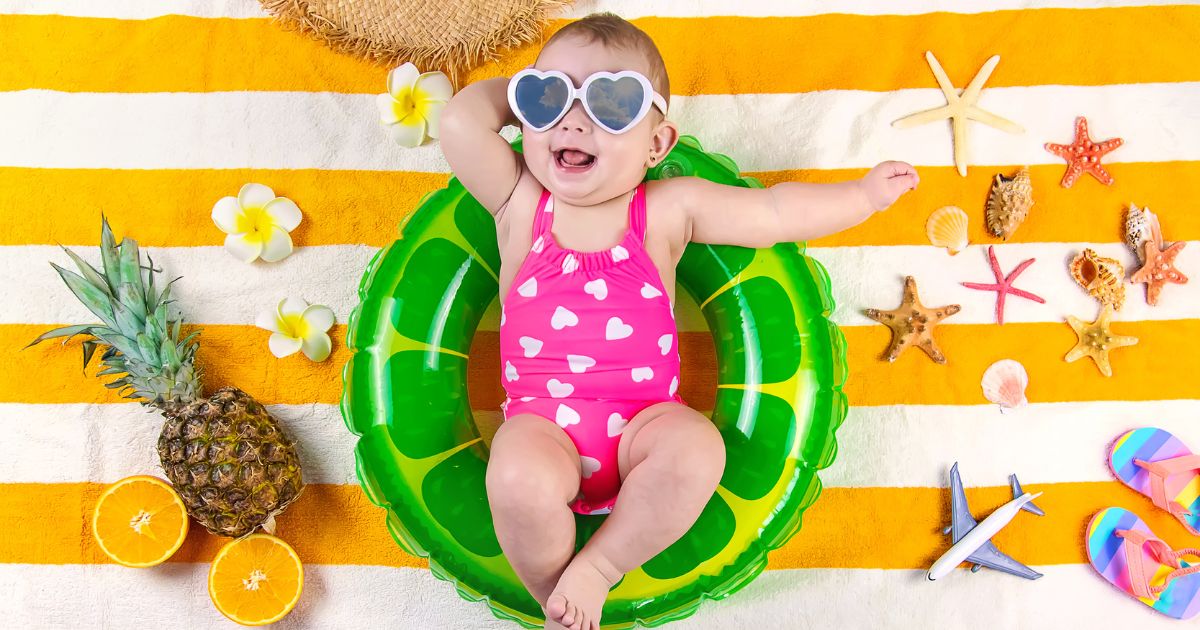
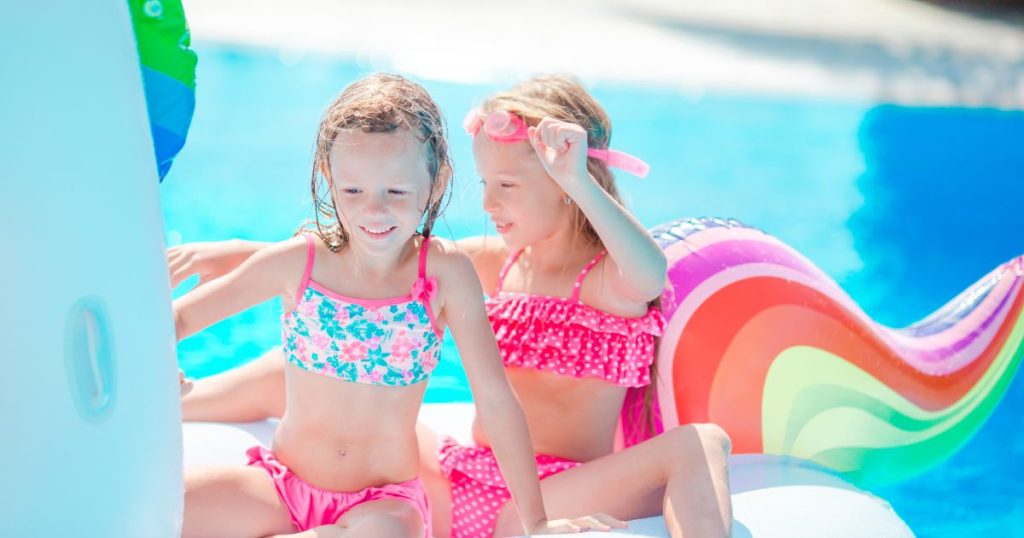
Baby girl bathing suits . From the first splash in a paddling pool to a remarkable household beach vacation, your baby girl’s preliminary encounters with water are precious moments. This detailed guide will stroll you through every aspect of selecting the best child woman bathing fit, from comprehending fabrics and UV defense to checking out various designs and ensuring the perfect fit for every phase of her early year baby girl bathing suits .
The Importance of the Right Swimsuit for Your Baby Girl
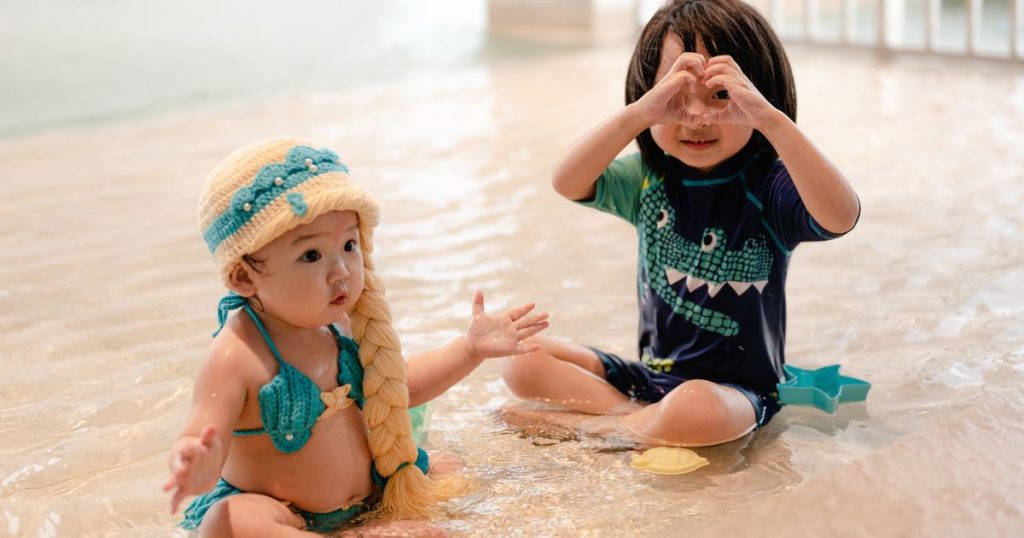
Choosing swimwear for your baby girl involves more than just selecting an adorable pattern. Her skin is exceptionally fragile and more susceptible to sun damage, and her body temperature level can vary quickly. The ideal bathing match acts as a vital barrier, offering defense and convenience, which are critical for a favorable water experience.
Focusing On Sun Safety: UPF Protection
The most important function of any child’s swimsuit is its Ultraviolet Protection Factor (UPF). A child’s skin is thinner and has less melanin than a grownup’s, making it highly vulnerable to the sun’s hazardous UV rays. Sunburn throughout infancy can considerably increase the danger of skin cancer later on in life.
What is UPF?
UPF is a score system utilized for apparel, similar to the SPF rating for sunscreens. It measures how much of the sun’s UVA and UVB radiation is obstructed by the material. A garment with a UPF of 50, for instance, enables only 1/50th (or about 2%) of the UV radiation to penetrate. For maximum defense, always try to find swimwear with a UPF score of 50+. This is the greatest score available and is recommended by skin doctors for kids.
Coverage is Key
Beyond the UPF ranking of the fabric, the physical protection the match offers is equally essential. Long-sleeved rash guards and full-body swimsuits provide the most extensive defense. They cover the arms, torso, and legs, reducing the amount of exposed skin that requires sunscreen application. While bikinis and traditional one-pieces are lovely, they leave big areas of sensitive skin vulnerable. For extended periods outdoors, prioritizing coverage is a wise health decision.
Convenience and Fit: Essential for a Happy Swimmer
An unpleasant baby is an unhappy infant. A bathing match that is too tight can chafe, restrict motion, and trigger inflammation. On the other hand, a suit that is too loose can droop when wet, becoming heavy and possibly hazardous.
When selecting a size, examine the maker’s weight and height guidelines rather than just passing age. Every infant grows at a different pace. The match should fit comfortably but not constrictively. You must be able to fit two fingers comfortably in between the fabric and your child’s skin. Please pay attention to the leg openings, armholes, and neck line to ensure they don’t dig in. A great fit allows your child to wiggle, crawl, and splash easily.
Product Matters: Choosing the Right Fabric
Modern baby swimwear is typically made from a blend of artificial fibers developed for performance and comfort.
Polyester/Elastane (Spandex) Blend: This is the most common combination. Polyester is durable, resistant to chlorine and fading, and dries quickly. Elastane (typically referred to as Spandex or Lycra) offers the stretch needed for a snug, flexible fit.
Nylon/Elastane Blend: Nylon is also a popular option, known for its lightweight feel and soft texture. It’s really durable but can be slightly less resistant to chlorine than polyester over the long term.
Look for fabrics that are soft, lightweight, and breathable. Once she is out of the water, a quick-drying product is crucial to help prevent your infant from getting chilled. Premium stitching and smooth joints will avoid chafing on her delicate skin.
Exploring Styles of Baby Girl Bathing Suits
The market for children’s swimwear is huge, with a variety of styles to suit every requirement and celebration. Let’s break down the most common types and their benefits.
The Full-Coverage Swimsuit: Rash Guards and One-Pieces
For supreme sun protection and peace of mind, full-coverage options are the gold standard.
Long-Sleeve Rash Guard Sets
A rash guard is a fitted athletic shirt made of swimwear fabric. Usually offered as a two-piece set with matching bottoms or a swim diaper cover, this style is a preferred amongst moms and dads for several reasons:
Superior Sun Protection: A long-sleeved rash guard covers the whole torso, shoulders, and arms, which are highly susceptible to sunburn. Paired with a sun hat and sun block on exposed areas, it uses comprehensive defense.
Flexibility: The two-piece style makes diaper changes considerably easier than with a one-piece suit. You only need to eliminate the bottoms.
Comfort: They offer a protective layer against sand and rough pool surface areas, lowering the risk of skin irritation.
When choosing a rash guard set, search for one with a high-neck design for added chest and neck defense.
All-in-One Sunsuits
Also referred to as a sun & swim fit or a full-body swimsuit, this one-piece garment frequently consists of long sleeves and can extend to the knees or ankles. It’s the most protective design offered.
Maximum Coverage: This match imitates a 2nd skin, covering a large portion of the body and lessening the need for sunblock application.
Protected Fit: As a single piece, it remains securely in location throughout active play, with no threat of a top riding up or bottoms slipping down.
Ease of Use: Many sunsuits feature a long front or back zipper, making it remarkably simple to get a wriggling infant in and out of the garment. Some even have zippers along the inseam for problem-free diaper access.
Classic Swimsuit Styles for Shorter Wear
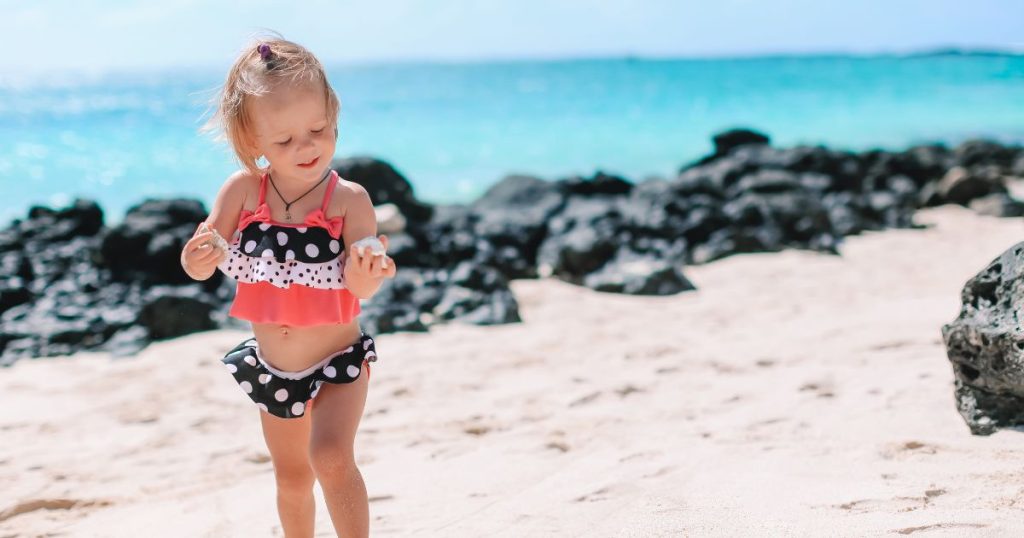
While less protective, timeless designs are suitable for short, supervised dips, indoor pools, or on heavily overcast days.
The Traditional One-Piece
When people think of a woman’s swimsuit, this timeless style is what comes to mind. It provides good protection for the torso; however, it leaves the shoulders, arms, and legs exposed.
Pros: Easy to put on, timeless look, commonly readily available in numerous charming styles, from ruffled straps to flower prints.
Cons: Limited sun defense, can be cumbersome for diaper modifications. To make it easier, try to find one-piece matches that have snaps at the crotch.
Tankinis
A tankini is a two-piece match including a tank top and a separate bottom. It strikes a balance between a one-piece and a swimsuit.
Pros: Offers more torso protection than a swimsuit and simplifies diaper modifications compared to a traditional one-piece.
Cons: The top can ride up, exposing the midriff to the sun. Sun’s defense is still limited compared to a rash guard.
Infant Bikinis and Two-Piece Sets
Infant bikinis are undeniably adorable but offer the least quantity of sun protection.
Pros: The two-piece design is practical for quick diaper modifications.
Cons: They leave most of a child’s most sensitive skin — the upper body, shoulders, and back — entirely exposed to the sun. This design is best suited for short water play sessions or indoor pool use. If used outdoors, thorough and repeated application of high-SPF sun block is definitely essential.
Must-Have Features for Baby Girl Swimwear
Beyond style and fabric, specific style features can make a world of difference in terms of benefit and safety.
Easy Diaper Changes: Zippers and Snaps
A damp, sandy child and a complex swimsuit are a discouraging combination. Look for features designed to streamline diaper modifications.
Crotch Snaps: Found on lots of one-piece suits, these plastic or coated-metal snaps enable you to alter a swim diaper without totally undressing your infant. Ensure they are high-quality and snap securely.
Full-Length Zippers: Often discovered on all-in-one sunsuits, a long zipper (either on the front or back) makes dressing and undressing much easier. A zipper garage—a little material flap at the top—is a terrific function to prevent the zipper from pinching your child’s chin.
Inseam Zippers: Some full-body matches feature a zipper along the inseam, providing easy access to diapers.
Built-in Swim Diapers
Some infant swimsuits include a recyclable swim diaper developed directly into the garment. These are designed with a waterproof external layer and a soft inner lining to contain strong waste.
Benefits: This integrated style can be more comfortable and smaller than using a separate swim diaper. It’s also an environmentally friendly and cost-effective choice.
Considerations: You will need to have a backup match or diaper on hand in case of an accident. Follow the maker’s cleaning directions thoroughly to maintain the diaper’s efficiency.
Even with a built-in swim diaper, many public swimming pools require an additional layer of defense, so it’s essential to examine the swimming pool’s policy constantly.
Chlorine and Saltwater Resistance
Infants frequently invest time in chlorinated swimming pools or salty ocean water. Rinsing the swimwear in cool, fresh water immediately after each usage will likewise significantly extend its life.
Finding the Perfect Fit for Every Age and Stage
A baby’s body shape and percentages change rapidly in the first few years. The perfect swimwear for a 3-month-old will be really different from that for an active 18-month-old.
For Infants and babies (0-6 Months).
At this age, babies are not mobile and have exceptionally delicate skin. Their time in the sun and water must be very restricted.
Top Priority: Sun defense. An all-in-one, long-sleeved sunsuit with a UPF 50+ ranking is the very best choice.
Fit: Comfort is paramount. Look for soft, elastic materials and a fit that is loose enough not to bind but not so saggy that it will fill with water.
Functions: Zippers for easy dressing and snaps for diaper modifications are essential.
For Crawlers and Cruisers (6-12 Months).
As your baby starts to move, her swimwear needs to move with her.
Top Priority: A mix of sun protection and toughness.
Design: A two-piece rash guard set is an exceptional choice. It provides excellent sun protection while the different bottom makes altering a wriggling infant’s diaper more manageable.
Features: Reinforced knees can be a perk for spiders who are exploring textured or sandy surfaces. Ensure the flexible waist and leg sections are gentle and do not dig in.
For Toddlers (12-24 Months and Beyond).
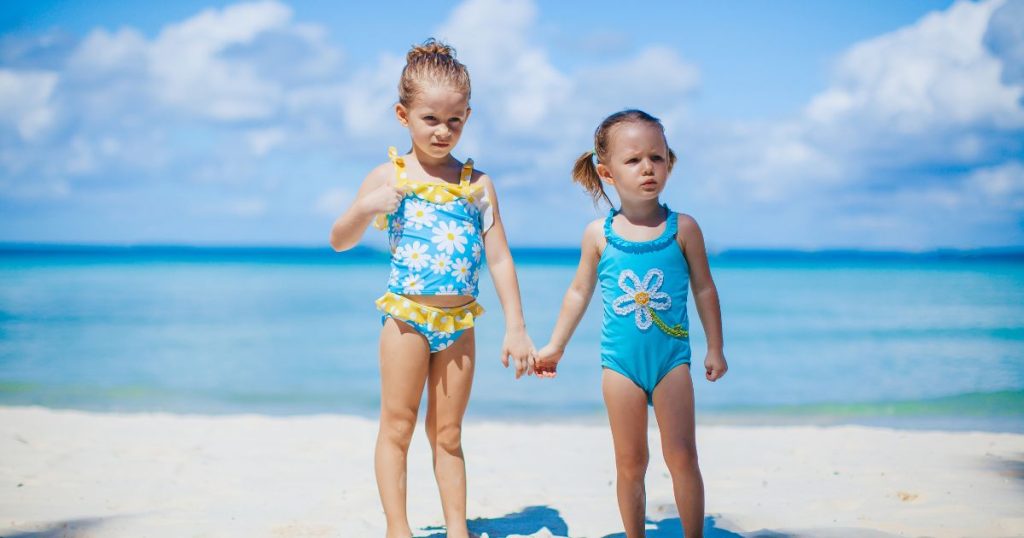
Toddlers are full of energy and are constantly on the go. Their swimsuit should be safe, secure, comfortable, and durable.
Top Priority: Durability and a protected fit.
Style: Either a long-sleeved rash guard set or a well-fitting all-in-one sunsuit works well. At this age, some parents may select a conventional one-piece for shorter swim sessions, but a rash guard is still advised for prolonged outside play.
Functions: Look for top-quality zippers that a young child can’t easily undo. A snug fit is essential to prevent the match from getting caught on anything as they run and play.
Taking care of Your Baby’s Bathing Suit.
Proper care will keep your child’s swimwear in great condition, protecting its color, shape, and protective qualities.
The Golden Rule: Rinse Immediately.
As quickly as your baby runs out of the water, rinse her bathing suit in cool, fresh tap water. This is the single crucial step. It removes the majority of chlorine, sand, salt, and sunblock creams that can break down the fabric.
Washing Instructions.
Hand Wash: The gentlest approach is to hand-wash the suit in cool water with a small amount of gentle soap.
Device Washing: If you must use a machine, position the swimwear in a mesh laundry bag to prevent snagging and stretching. Utilize a mild cycle with cold water and a moderate cleaning agent. Never utilize bleach.
No Fabric Softener: Fabric softeners can break down the elastane (Spandex) fibers and damage the fabric’s UPF coating.
Drying Instructions.
Never Ever Use a Dryer: The high heat of a clothing dryer will ruin the flexible fibers and can destroy the fit.
Carefully Squeeze: After washing, gently squeeze out the excess water. Please do not twist the fit or wring, as this will stretch it out of shape.
Dry in the Shade: Lay the match flat or hang it to dry in a shady, well-ventilated location. Direct sunshine can trigger the colors to fade and can degrade the fabric over time.
Equipping for Complete Sun Safety.
A UPF 50+ swimwear is the structure of sun safety, but it’s not total without the best accessories.
Sun Hat: A wide-brimmed sun hat is non-negotiable. Look for one that offers shade for the face, neck, and ears. A chin strap is practical to keep it in place.
Infant Sunglasses: Protect your baby’s delicate eyes with sunglasses that block 99% or more of UVA and UVB radiation. Search for a couple with a soft, flexible frame and a strap.
Sunscreen: Apply a broad-spectrum, waterproof sunscreen with an SPF of 30 or greater to all exposed skin, including the face, hands, feet, and the back of the neck. Reapply every two hours, or more often if your baby has remained in the water or has been sweating. For children under 6 months, consult your pediatrician before using sunblock.
Swim Shoes: Water shoes can safeguard your young child’s feet from hot sand, sharp shells, and slippery swimming pool decks.
Frequently Asked Questions (FAQ).
Q1: What size bathing fit should I purchase for my child girl?
You should be able to slide two fingers between the fit and your child’s skin. If your child is between sizes, it’s frequently much better to size up to guarantee comfort and get more use out of the suit.
Q2: Do infants need to wear a diaper under their swimsuit?
You can choose between non-reusable swim diapers or a reusable swim diaper, which can be a more affordable and eco-friendly option. Some bathing suits come with a multiple-use swim diaper constructed in.
Q3: How crucial is a UPF 50+ score for an infant lady’s swimwear?
A3: It is very crucial. An infant’s skin is much thinner and more susceptible to sun damage than adult skin. A UPF 50+ rating is the highest level of sun protection offered for clothing and is highly recommended by the Skin Cancer Foundation and skin doctors. It blocks over 98% of harmful UVA and UVB rays, offering a vital layer of defense.
Q4: What is the best style of swimwear for an 18-month-old girl?
A4: For an active 18-month-old, a two-piece long-sleeved rash guard set is often the very best choice. This design offers excellent UPF 50+ sun security for the upper body, and the two-piece style makes toilet journeys or diaper modifications a lot more convenient than a one-piece. It also enables terrific flexibility of movement for a toddler who is running, climbing, and playing.
Q5: How do I clean up an infant’s swimwear that has sand in it?
A5: First, let the match dry entirely. You can then carefully extend the fabric to loosen any remaining trapped sand.
Q6: Can my infant use a routine one-piece swimwear if we are at an indoor pool?
A6: Yes, if you are at an indoor pool where sun exposure isn’t a concern, a traditional one-piece or tankini is perfectly fine. The main factor for prioritizing long-sleeved, full-coverage suits is sun defense. In an indoor setting, you can focus more on a comfy fit and a design that is easy for diaper modifications.
Q7: How many bathing matches does my child woman need?
A7: It’s practical to have at least two bathing matches for your infant. This guarantees you constantly have a clean, dry fit ready to go.
The most critical function of any child’s bathing suit is its Ultraviolet Protection Factor (UPF). An unpleasant baby is an unhappy child. As quickly as your child is out of the water, wash her bathing suit in cool, fresh tap water. You should be able to slide two fingers between the fit and your infant’s skin. A7: It’s practical to have at least two bathing suits for your child.
<script type="application/ld+json">
{
  "@context": "https://schema.org",
  "@type": "BlogPosting",
  "mainEntityOfPage": {
    "@type": "WebPage",
    "@id": "https://redrosebaby.com/"
  },
  "headline": "10 Perfect Baby Girl Bathing Suits for Fun Beach Days",
  "description": "Baby girl bathing suits . From the first splash in a paddling pool to a remarkable household beach vacation, your baby girl's preliminary encounters with water are precious moments. This detailed guide will stroll you through every aspect of selecting the best child woman bathing fit, from comprehending fabrics and UV defense to checking out various designs and ensuring the perfect fit for every phase of her early year baby girl bathing suits .",
  "image": "https://redrosebaby.com/wp-content/uploads/2025/09/baby-girl-bathing-suits-2-1024x538.jpg",
  "author": {
    "@type": "Person",
    "name": "Masud Parvez",
    "url": "https://redrosebaby.com/about/"
  },
  "publisher": {
    "@type": "Organization",
    "name": "Masud Parvez",
    "logo": {
      "@type": "ImageObject",
      "url": "https://redrosebaby.com/wp-content/uploads/2025/09/cropped-red-rose-baby.jpg"
    }
  },
  "datePublished": "2025-09-25",
  "dateModified": "2025-09-25"
}
</script>